In modern fashion culture, many people believe that having more clothing automatically leads to better style. Large wardrobes filled with different outfits may seem appealing at first, but in reality, owning too many garments often creates confusion rather than clarity. When clothing choices become overwhelming, personal style can actually feel less defined.
The concept of owning fewer clothes has gained popularity in recent years, especially among individuals who value simplicity, quality, and intentional living. Instead of constantly purchasing new items, many people are discovering that a smaller wardrobe built around versatile pieces can create a stronger and more consistent sense of style.
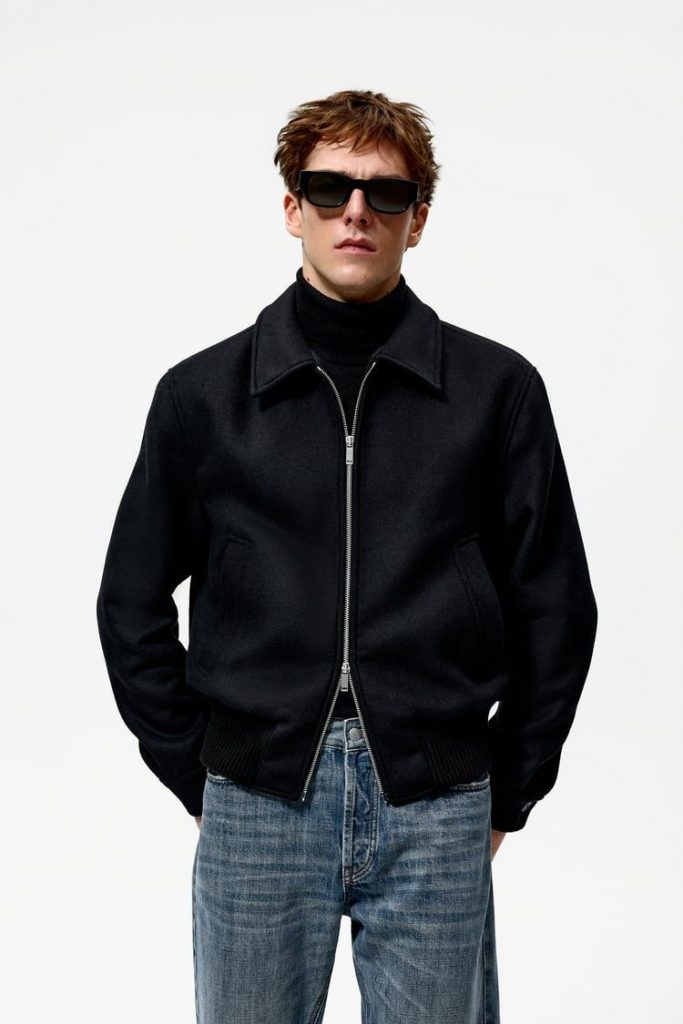
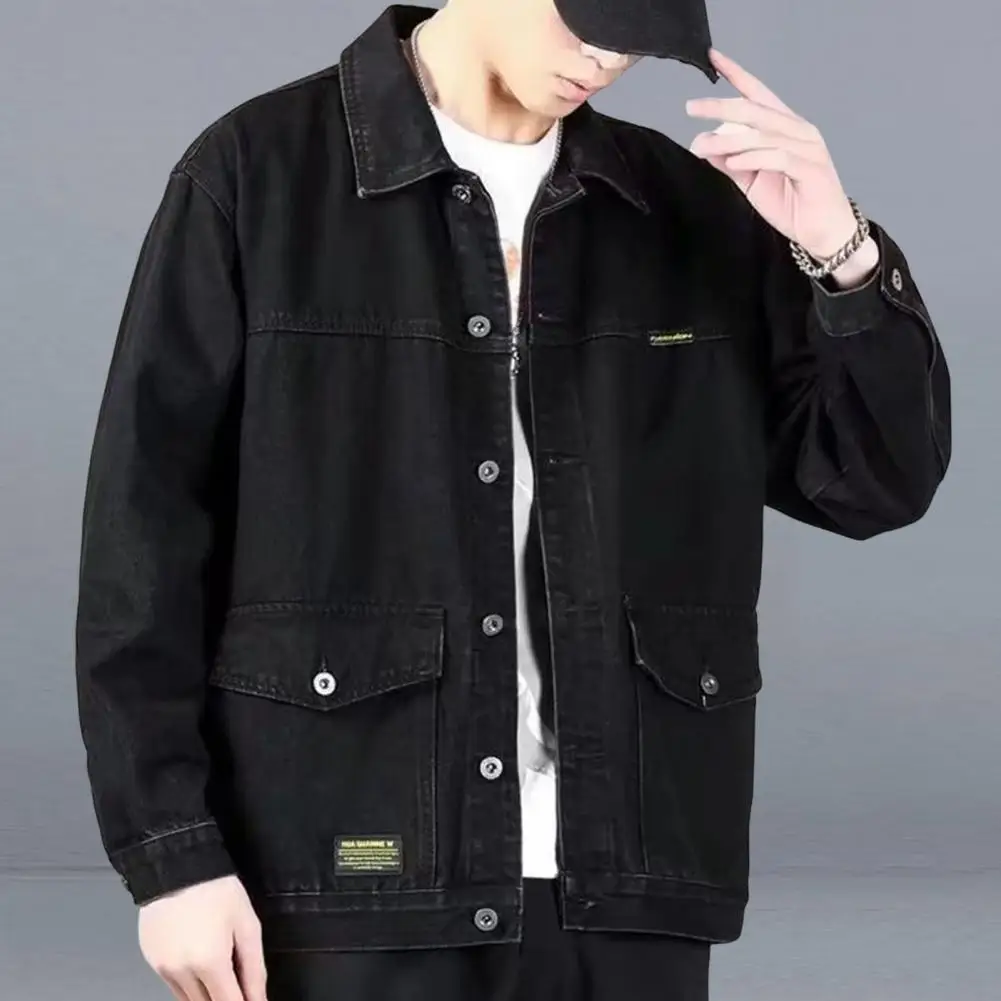
In men’s fashion, this philosophy works particularly well. Classic pieces such as well-fitted shirts, structured jackets, quality denim, and neutral trousers can easily be combined into multiple outfits without requiring an excessive number of garments. By focusing on fewer but better pieces, individuals can achieve a wardrobe that feels both practical and stylish.
Choosing quality over quantity encourages people to think more carefully about how each item contributes to their overall appearance. Rather than chasing trends or accumulating clothing that rarely gets worn, the focus shifts toward garments that truly reflect personal taste and lifestyle.
The Problem With Owning Too Many Clothes
Having a large wardrobe might seem like an advantage, but it often creates unexpected challenges. One of the most common problems is decision fatigue. When faced with too many options, choosing an outfit can become stressful and time-consuming.
Many people with large wardrobes still feel like they have nothing to wear. This happens because a significant portion of their clothing does not truly match their personal style or daily needs. Some items may have been purchased impulsively, while others were bought because they were fashionable at the time but quickly lost relevance.
Excess clothing can also lead to disorganization. Closets become crowded, making it difficult to see what is actually available. As a result, favorite pieces may be forgotten while rarely worn items take up unnecessary space.
Reducing the number of garments allows individuals to focus on clothing they genuinely enjoy wearing. This simplification often makes everyday dressing easier and more satisfying.
The Power of a Minimalist Wardrobe
A minimalist wardrobe focuses on owning a limited number of carefully selected pieces that work well together. Instead of filling a closet with random items, each garment serves a purpose and complements the rest of the collection.
This approach emphasizes versatility. A single jacket, for example, can be styled in multiple ways depending on the occasion. A pair of well-fitted jeans may work equally well with casual sneakers or more polished footwear.
In men’s fashion, minimalist wardrobes often include neutral colors such as black, navy, gray, and beige. These shades are easy to combine and create a clean, timeless aesthetic.
By choosing garments that coordinate easily, individuals can create numerous outfit combinations without needing a large number of clothes. This strategy not only simplifies dressing but also strengthens overall style consistency.
Quality Pieces Make a Stronger Style Statement
When wardrobes contain fewer items, each piece becomes more important. This naturally encourages shoppers to prioritize quality over quantity.
High-quality clothing often features better fabrics, stronger stitching, and superior construction. These details not only improve durability but also enhance the appearance of the garment. Well-made clothing tends to fit better, drape more naturally, and maintain its structure over time.
A wardrobe built around quality pieces often looks more refined and intentional. Even simple outfits appear stylish when the garments are well-constructed and thoughtfully selected.
Investing in durable clothing also reduces the need for frequent replacements. This means fewer shopping trips and more confidence in the reliability of each piece.
Developing a Clear Personal Style
Owning fewer clothes can actually make it easier to develop a recognizable personal style. When wardrobes contain hundreds of unrelated items, it becomes difficult to identify a consistent aesthetic.
A smaller collection encourages individuals to focus on garments that truly represent their preferences. Over time, patterns begin to emerge in color choices, silhouettes, and textures.
For example, someone may discover that they prefer structured jackets, clean lines, and neutral colors. Another person may gravitate toward relaxed fits, textured fabrics, and casual layering.
Once these preferences become clear, future purchases become easier to evaluate. Instead of buying clothing randomly, shoppers can ask whether an item fits within their established style.
This intentional approach helps create a wardrobe that feels authentic and cohesive.
Timeless Fashion Over Temporary Trends
One reason fewer clothes can lead to better style is that it encourages timeless fashion choices. Trends come and go quickly, often encouraging people to buy items that feel outdated within a short period.
Timeless clothing, however, remains stylish regardless of seasonal changes. Classic shirts, tailored blazers, simple knitwear, and well-cut trousers have remained relevant for decades.
These pieces form the foundation of many successful wardrobes. Because they are not tied to specific trends, they can be worn repeatedly without feeling outdated.
Focusing on timeless fashion also reduces the pressure to constantly update a wardrobe. Instead of chasing every new style, individuals can build a consistent look that evolves gradually.
Sustainability and Responsible Fashion Choices
Reducing the number of clothes we buy also benefits the environment. The fashion industry produces large amounts of waste due to overproduction and short clothing lifespans.
By purchasing fewer but higher-quality garments, consumers reduce demand for constant manufacturing. Durable clothing remains in use longer, which decreases the number of items that end up in landfills.
Sustainable fashion practices often align naturally with minimalist wardrobes. When individuals focus on longevity and versatility, they make more responsible purchasing decisions.
In men’s fashion, investing in durable jackets, classic shirts, and quality denim can significantly reduce clothing waste while maintaining a stylish appearance.
How to Start Building a Smaller Wardrobe
Transitioning to a smaller wardrobe does not require drastic changes overnight. Instead, it can begin with a simple evaluation of existing clothing.
One effective approach is to identify the garments that are worn most frequently. These pieces often reveal important clues about personal style and comfort preferences.
Items that rarely get worn can be donated, recycled, or repurposed. This process helps create space for clothing that truly adds value to the wardrobe.
Future purchases should focus on versatility, quality, and compatibility with existing items. Over time, the wardrobe naturally becomes smaller but more effective.
Confidence Through Simplicity
Interestingly, many people find that owning fewer clothes increases their confidence. When each garment in a wardrobe fits well and aligns with personal style, dressing becomes easier and more enjoyable.
Instead of worrying about trends or feeling overwhelmed by choices, individuals can rely on a collection of dependable pieces that always look good together.
Confidence often comes from simplicity. Clean, well-fitted clothing communicates intention and attention to detail without needing excessive complexity.
This balance between simplicity and quality is one of the reasons minimalist wardrobes continue to gain popularity.
Final Thoughts
The idea that fewer clothes can lead to better style may seem surprising at first, but it becomes clear when considering how wardrobes function in everyday life. A smaller collection of carefully selected garments often provides greater versatility, clarity, and confidence than an overcrowded closet.
By focusing on quality pieces, timeless designs, and personal preferences, individuals can create a wardrobe that feels both practical and stylish. Instead of constantly searching for new clothing, the emphasis shifts toward making the most of what is already owned.