
In today’s fast-paced consumer culture, clothing has become easier to buy than ever before. Online stores, social media trends, and constant seasonal sales encourage people to purchase more garments than they truly need. While this convenience has transformed the fashion industry, it has also introduced a new problem: the habit of buying clothing in excess without considering its long-term value.
The idea of quality over quantity challenges this behavior. Instead of filling wardrobes with inexpensive, short-lived pieces, many modern shoppers are beginning to prioritize durability, craftsmanship, and timeless style. This shift represents more than a simple change in shopping habits. It reflects a broader movement toward sustainability, thoughtful consumption, and personal style development.
Choosing well-made clothing does not mean buying less style or limiting creativity. Rather, it encourages individuals to invest in pieces that remain relevant across seasons and trends. A carefully selected wardrobe built around quality garments can provide comfort, confidence, and versatility for years.
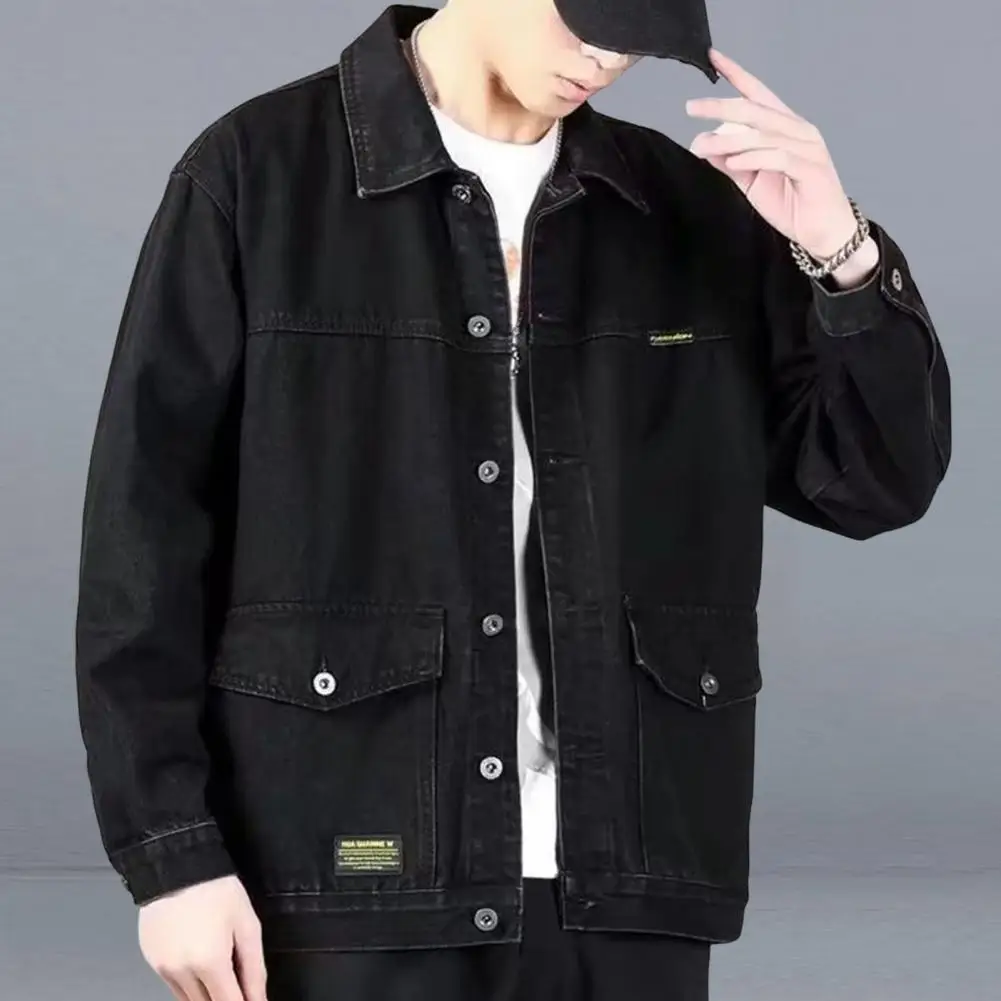
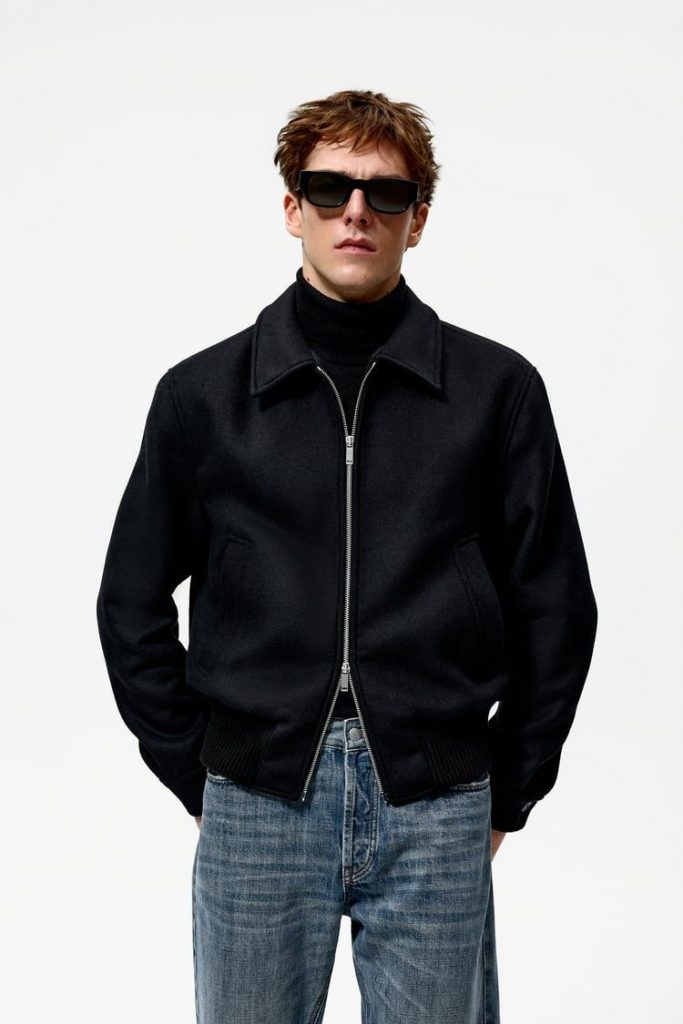
The concept is especially relevant in men’s fashion, where classic silhouettes, durable materials, and clean design often outlast fleeting trends. A well-constructed jacket, a tailored blazer, or a premium cotton shirt can remain stylish for years when properly cared for.
Understanding why quality matters more than quantity can transform how we shop, how we dress, and how we think about fashion as a whole.
The Rise of Fast Fashion and Its Impact on Modern Shopping
Over the past two decades, fast fashion has dramatically reshaped the global clothing market. Brands began producing large volumes of inexpensive garments designed to imitate runway trends at a fraction of the cost. These items reach stores quickly and are marketed heavily through social media, influencer culture, and frequent product releases.
While this approach made fashion more accessible, it also changed the way consumers interact with clothing. Instead of viewing garments as long-term investments, many people began treating them as disposable items. Shirts, jackets, and trousers were purchased impulsively, worn only a few times, and then replaced by the next trend.
This cycle created a culture of constant consumption. Wardrobes grew larger, yet many people still felt they had nothing suitable to wear. The problem was not a lack of clothing but a lack of pieces that truly matched personal style or offered lasting quality.
The environmental consequences of fast fashion are also significant. Mass production requires large amounts of water, energy, and raw materials. Additionally, many garments end up in landfills after a short lifespan because they are made from lower-quality fabrics that deteriorate quickly.
As awareness grows about these impacts, consumers are increasingly reconsidering their shopping habits. Many are choosing fewer items but focusing on craftsmanship, fabric quality, and durability.
Why High-Quality Clothing Lasts Longer
Quality garments are designed with durability in mind. From fabric selection to stitching techniques, every component contributes to the lifespan of the product.
Premium fabrics such as high-grade cotton, wool, linen, and denim tend to maintain their structure even after repeated washing and wearing. These materials age gracefully, often developing character over time instead of deteriorating quickly.
Construction techniques also play a major role. Well-made clothing often features reinforced seams, stronger thread, and careful tailoring. These small details prevent common issues such as loose stitching, fabric stretching, or shape distortion.
In men’s fashion, quality craftsmanship is particularly noticeable in items such as blazers, trousers, leather jackets, and denim pieces. When these garments are produced with attention to detail, they remain functional and stylish for many years.
Investing in durable clothing ultimately saves money as well. While the initial purchase price may be higher, the cost per wear becomes significantly lower over time because the item does not need to be replaced frequently.
Building a Wardrobe That Prioritizes Quality
Transitioning from quantity-focused shopping to quality-focused shopping requires a change in mindset. Instead of purchasing clothing impulsively, shoppers begin evaluating each item based on usefulness, durability, and versatility.
A well-curated wardrobe usually begins with foundational pieces. These are garments that can be worn in multiple situations and combined easily with other items. Examples include neutral-colored shirts, classic denim, tailored trousers, structured jackets, and comfortable knitwear.
Selecting timeless designs ensures that clothing remains stylish regardless of seasonal trends. Classic silhouettes rarely become outdated, making them reliable investments.
Quality wardrobes also emphasize balance. Instead of owning dozens of similar garments, individuals focus on a smaller number of versatile pieces that work together seamlessly. This approach simplifies daily dressing while maintaining a polished appearance.
Men’s fashion naturally supports this philosophy because many staple garments are inherently timeless. A well-tailored blazer, for instance, can complement both formal and casual outfits depending on how it is styled.
The Psychological Benefits of Owning Fewer, Better Clothes
Interestingly, choosing quality over quantity can positively influence personal well-being. A wardrobe filled with thoughtfully selected garments often reduces decision fatigue.
When every item in a closet fits well and reflects personal taste, getting dressed becomes easier and more enjoyable. Instead of sorting through large amounts of rarely worn clothing, individuals can quickly create outfits that feel comfortable and confident.
High-quality clothing also tends to fit better and feel more comfortable on the body. Premium fabrics are often softer, more breathable, and better structured than cheaper alternatives.
Confidence plays a major role in how clothing affects daily life. Wearing well-crafted garments that align with personal style can subtly influence posture, mood, and self-perception.
Many people who adopt a quality-focused wardrobe report feeling more organized, more confident, and more intentional about their appearance.
Sustainability and Responsible Fashion Choices
One of the most significant benefits of prioritizing quality clothing is its positive impact on sustainability. The fashion industry is one of the largest contributors to global waste, largely due to overproduction and rapid consumption cycles.
Choosing durable garments reduces the demand for frequent replacements. As a result, fewer resources are used in manufacturing, transportation, and disposal.
Consumers who embrace quality shopping habits also tend to value clothing care practices such as proper washing, repairing minor damage, and storing garments carefully. These habits extend the lifespan of clothing and further reduce environmental impact.
In men’s fashion, sustainable choices often include selecting natural fabrics, investing in long-lasting outerwear, and supporting brands that emphasize ethical production practices.
While individual choices alone cannot transform the entire industry, collective changes in consumer behavior can gradually encourage brands to prioritize durability and responsible manufacturing.
Timeless Style Versus Temporary Trends
Fashion trends are constantly evolving. Each season introduces new patterns, colors, and silhouettes designed to capture attention and encourage purchases.
However, many of these trends disappear as quickly as they arrive. Clothing purchased solely because it is fashionable at the moment may feel outdated within a year.
Timeless style focuses on design elements that remain appealing regardless of current trends. Clean lines, neutral colors, balanced proportions, and high-quality fabrics form the foundation of enduring style.
Men’s fashion often emphasizes these principles. Classic shirts, tailored jackets, and structured coats have remained relevant for decades because their designs prioritize simplicity and elegance.
Choosing timeless garments allows individuals to maintain a consistent personal aesthetic without constantly replacing their wardrobe.
How to Identify Quality When Shopping for Clothes
Learning to recognize quality clothing requires attention to detail. Several indicators can help shoppers evaluate garments before purchasing them.
Fabric is one of the most obvious factors. High-quality materials usually feel heavier, smoother, and more substantial than lower-grade alternatives. Natural fibers often offer better breathability and comfort.
Stitching and construction should also be examined carefully. Straight, even stitching indicates careful manufacturing. Loose threads, uneven seams, or thin fabric may signal lower durability.
Fit is equally important. A garment that fits well not only looks better but also experiences less strain during movement, which helps preserve its structure over time.
Taking time to inspect these details ensures that purchases contribute to a long-lasting wardrobe rather than becoming short-term additions.
Redefining Value in Modern Fashion
Ultimately, the idea of quality over quantity redefines how value is measured in clothing. Instead of evaluating garments based solely on price, thoughtful shoppers consider longevity, comfort, craftsmanship, and versatility.
An inexpensive item that lasts only a few months may cost less initially but provide little long-term value. In contrast, a carefully made garment worn regularly for years becomes a worthwhile investment.
As more consumers adopt this perspective, the fashion industry may gradually shift toward producing fewer but better products. This change benefits not only shoppers but also the environment and the broader culture of fashion.